Chicago Real Estate Insights

Whether you’re buying, selling, relocating, downsizing, or simply exploring your options, Anne Rossley’s Chicago real estate blog is designed to help you make informed decisions with greater clarity and confidence. Drawing on decades of experience in downtown Chicago, Anne shares local insights on luxury homes, historic properties, neighborhood trends, condo and co-op living, and the details that matter most to buyers and sellers in today’s market.

Aug. 4, 2026

3 Signs You’re Ready to Downsize in Chicago | Downtown Condo Guide

How do you know when it’s the right time to downsize your home in Chicago?

For many homeowners, the answer starts with three things: unused space, overwhelming maintenance, and equity that could be working harder for you.

If your home feels too large for the way you live today—or you’re spending more time maintaining it than enjoying it—it may be time to consider a change.

For many Chicago homeowners, downsizing to a Downtown Chicago condo can offer something that a larger home cannot: more freedom, less maintenance, and a lifestyle built around convenience.

Imagine walking out your door for coffee in Streeterville, taking a morning walk along the Lakefront Trail, meeting friends for dinner in River North, or catching a show downtown—all without worrying about shoveling snow, maintaining a yard, or replacing a roof.

Here are three signs it may be time to start thinking about downsizing in Chicago.

1. You Have Rooms You Rarely Use

Take a walk through your home and look at it with fresh eyes.

How many rooms do you actually use every day?

I often meet homeowners in neighborhoods like Lakeview and Lincoln Park who are still maintaining four- or five-bedroom homes even though they regularly use only one or two bedrooms.

A spare bedroom becomes storage. A dining room sits unused. A finished basement stays empty for most of the year.

Why It Matters

Even unused rooms cost money.

You're still paying for property taxes, heating and cooling, cleaning, insurance, and ongoing maintenance—whether you use that space or not.

When you downsize to a condo, you can choose a home based on the space you actually need and use.

And today's Downtown Chicago condos can offer amenities that feel like an upgrade rather than a compromise, including:

  • Rooftop decks
  • Fitness centers
  • Indoor pools
  • Clubrooms
  • Dog runs
  • 24-hour door staff
  • On-site management

I once worked with a client who moved from a single-family home in Ravenswood into a two-bedroom condo in Lakeshore East.

Her reaction said it all:

“Anne, I don’t miss the space. I feel like I gained more—community, security, and a place where every square foot matters.”

That is often the real benefit of downsizing: less unused space and more usable lifestyle.


2. Home Maintenance Feels More Like a Burden Than a Benefit

There comes a point when home maintenance simply isn't worth the time and energy.

I hear it often:

“Anne, I just don't have the energy to keep up with this house anymore.”

A leaking roof. A yard that needs attention. Gutters. Snow removal. Plumbing. HVAC repairs. The list never seems to end.

Why It Matters

The issue isn't just the cost.

It's the mental energy that comes with maintaining a large home.

Every weekend spent dealing with repairs or yard work is time you're not spending traveling, visiting family, pursuing hobbies, or enjoying Chicago.

The Downtown Chicago Condo Advantage

This is where condo living can be especially appealing.

In a professionally managed building, many of the responsibilities that come with owning a single-family home are handled for you, including exterior maintenance, landscaping, snow removal, and common-area upkeep.

You can lock the door and leave for a weekend in Michigan—or fly across the country to visit family—without worrying about what needs to be done at home.

One of my Gold Coast clients told me that the biggest surprise after downsizing wasn't the smaller home.

It was the mental space she gained.

She no longer spent her Sunday afternoons thinking about gutters or the furnace. Instead, she could walk downstairs, grab a coffee, and enjoy her neighborhood.

That's the kind of freedom many downsizers are really looking for.


3. You’re Sitting on Significant Home Equity

If you've owned your Chicago home for 15, 20, or 30 years, there's a good chance its value has increased substantially since you purchased it.

That increase represents equity—and for many homeowners, much of that wealth is still tied up in the property.

Why It Matters

Selling a larger home and purchasing a smaller condo can potentially unlock a significant amount of equity.

That money could be used for:

  • Travel
  • Hobbies
  • Family
  • Healthcare
  • Investments
  • Retirement
  • Or simply greater financial flexibility

I worked with one couple who sold their Wicker Park three-flat, where they had raised their children, and moved into a two-bedroom condo in the West Loop.

The move significantly reduced their monthly expenses, and the sale allowed them to purchase their new condo outright.

Their perspective was simple:

“We're finally using our money instead of sitting on it.”

Of course, every homeowner's financial situation is different. That's why understanding your home's current market value, outstanding mortgage, taxes, potential selling costs, and the cost of your next home is an important part of the downsizing conversation.

View More
July 27, 2026

Chicago Condo Market Update: Your Assessment Is Now Setting Your Sale Price (July 2026)

Quick answer: In July 2026, 711 condos closed across nine Chicago lakefront and downtown neighborhoods. The median sale took 11 days to go under contract and closed at exactly 100% of its original asking price. But the single strongest predictor of how fast a condo sold was not its neighborhood, its size, or even its price — it was the monthly assessment. Units carrying under $0.50 per square foot per month sold in 7 days at 103.3% of list. Units over $1.00 per square foot took 32 days and sit on 3.3 months of supply.

Luxury Condos in Chicago's Gold Coast Neighborhood

View More
June 12, 2026

Chicago Condo Financing Rules 2026: What Owners Must Know

Picture a beautifully renovated two-bedroom on a high floor in River North. Lake views, valet, full amenity package, priced right at $1.4 million. The buyer is well qualified, the offer is clean — and then the deal collapses at underwriting. Not because of the unit. Because of the building.

Starting August 3, 2026, that scenario is about to become far more common across downtown Chicago. New rules from Fannie Mae and Freddie Mac change how nearly every condo building in the city is evaluated for financing — and most owners have no idea it's coming. Whether you own a luxury condo in the Gold Coast, a vintage co-op on East Lake Shore Drive, or a high-rise in Streeterville, this affects what your home is worth and how easily it sells.

Here's what's changing, why downtown Chicago condos are especially exposed, and what to do about it before you list.

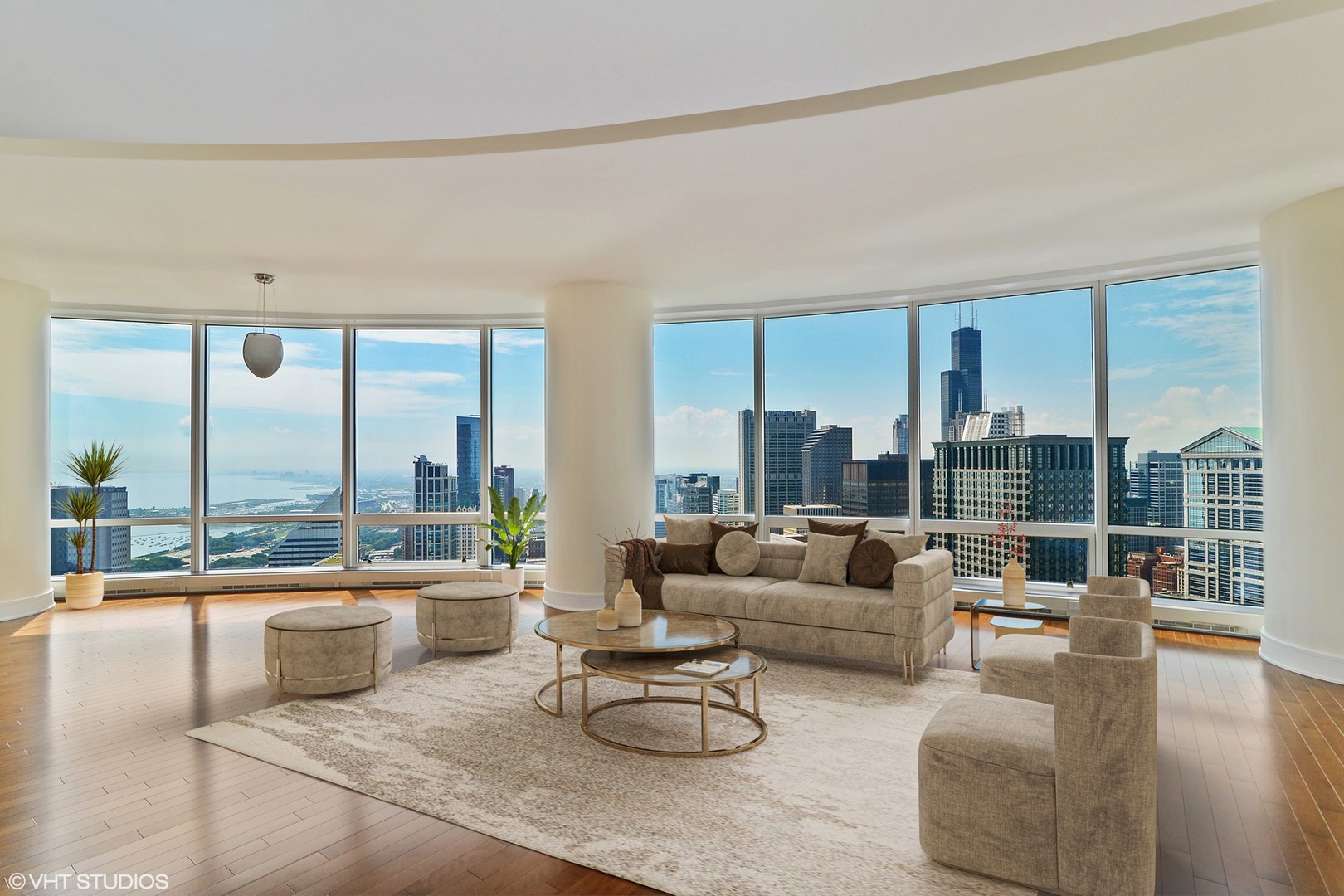
Luxury downtown Chicago condo with Lake Michigan views in River North

What's Changing for Chicago Condo Financing on August 3, 2026

For years, lenders could run many condo buildings through a shortcut called a Limited Review. Think of it as the express lane at airport security: if a building looked healthy on paper, the loan could move through with relatively few questions about the building's finances.

That express lane is closing. As ofAugust 3, 2026, every condominium building with more than 10 units — which is essentially every downtown Chicago condo building — must go through a Full Review on every single sale. Lenders now dig into the budget, the reserves, delinquency rates, insurance, pending litigation, special assessments, and inspection reports before they'll approve a conventional mortgage.

The change traces back to the 2021 Surfside collapse in Florida. The hard question that emerged afterward was simple: are these buildings actually setting aside enough money to maintain themselves? The new rules are designed to answer that question on every deal.

Why Downtown Chicago Condos Are Especially Exposed

This matters more here than in most markets, and luxury buildings are not exempt — in some ways they carry more risk.

Downtown Chicago condos are overwhelmingly mid- and high-rise buildings well over the 10- unit threshold, so virtually none of them qualify for the old shortcut anymore. Many of the most desirable addresses are older towers with aging elevators, facades, mechanical systems, and parking structures — the exact "critical components" lenders now scrutinize. A vintage Gold Coast high-rise or a historic co-op can be impeccably run and still face a major capital project that triggers a red flag.

Luxury buildings also tend to carry rich amenity packages — doormen, pools, fitness centers, common terraces — that are expensive to maintain and replace. A big annual budget is not the same as a well-funded reserve, and the new rules care intensely about that distinction.

The Numbers Lenders Now Scrutinize

A Full Review evaluates six core areas. Two of them are where downtown Chicago buildings most often get caught.

Reserves: the 10% to 15% jump

Condo associations have long been expected to set aside at least 10% of their annual budget into reserves — the savings account for big-ticket repairs. That minimum is rising to 15%, effective for loan applications dated on or after January 4, 2027. (Note the date — this one is not part of the August 3 change, and it's the detail people most often get wrong.)

On a 100-unit building with a $1.2 million annual budget, that's the difference between $120,000 and $180,000 a year going to reserves. For a lot of buildings, that means assessments are going up. Just as important, the old practice of commissioning a reserve study and then funding it at the bare minimum is no longer permitted — buildings must now fund at the highest level the study recommends.

The $10,000-per-unit trap

This is the one that can make a building unsellable overnight. If a condo building has identified critical repairs — structural or safety-related — that total more than $10,000 per unit, and the association doesn't have the money set aside to address them, the building becomes ineligible for conventional financing. Every owner, all at once.

On a 100-unit building, that threshold is $1 million in unfunded critical work. In an older luxury high-rise facing a facade restoration or elevator modernization, that number is not hard to reach. It's like a house that fails inspection — except 100 families share a single report.

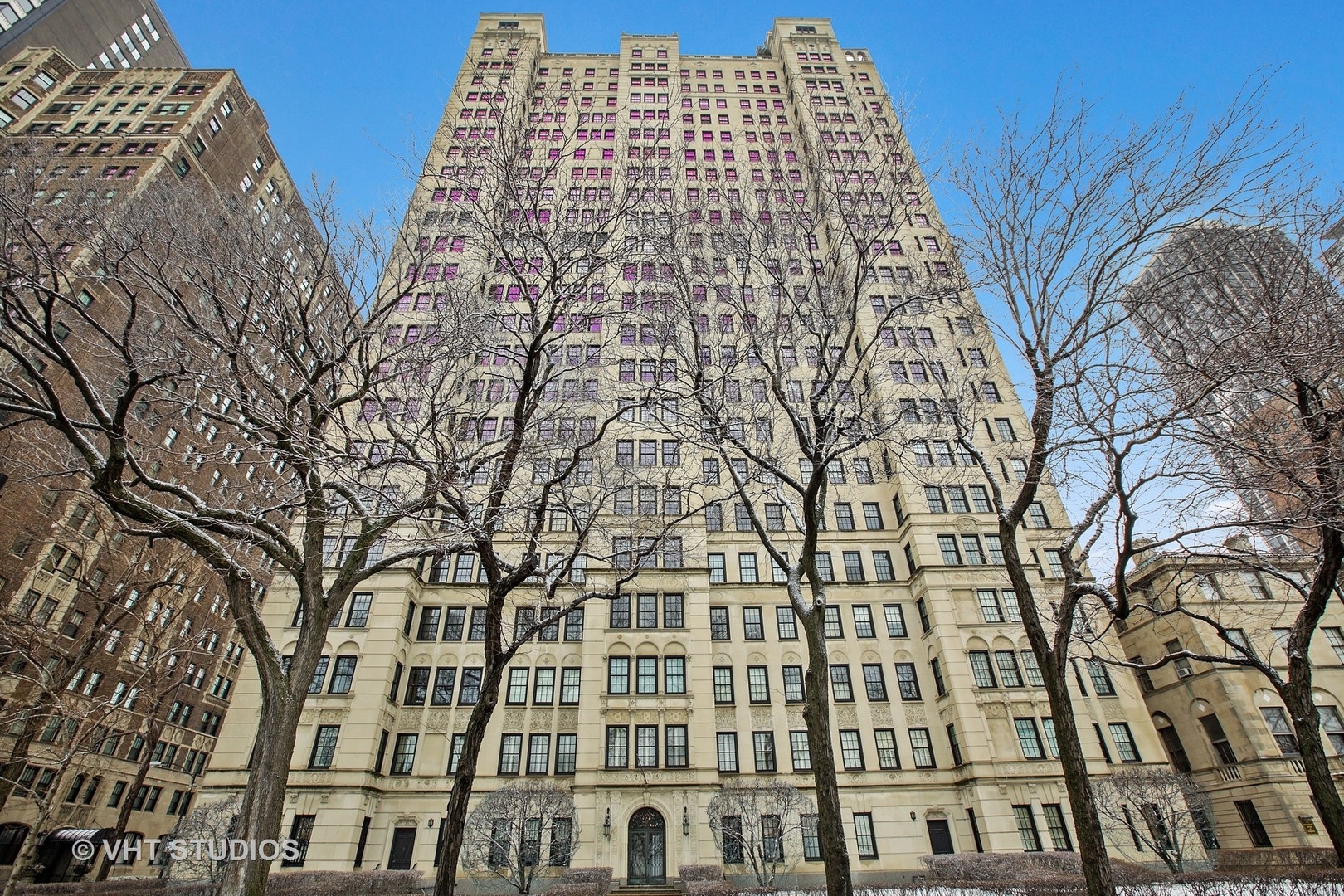
Historic luxury condo building in Chicago's Gold Coast neighborhood

The other four checks

The remaining four are more straightforward but still trip buildings up. A building fails if 15% or more of units are 60-plus days delinquent on dues. In buildings of 21+ units, no single entity can own more than 20% of the units. Commercial space is capped at 35% of the building — relevant for the many downtown towers with ground-floor retail or restaurant podiums. And the building's master insurance must carry replacement-cost coverage, with a per-unit deductible now capped at $50,000 as of July 1, 2026.

What Illinois Law Does — and Doesn't — Require

There's a common misconception worth clearing up, because it affects how Chicago condo boards should respond.

Illinois does not currently mandate a formal reserve study for condominium associations. The Illinois Condominium PropertyAct requires only that budgets provide for "reasonable reserves" for capital expenditures and deferred maintenance — no fixed percentage, no required study schedule. There is pending legislation (House Bill 2563 and its companion) that would require a reserve study every five years, but it has not become law, despite what some online sources claim.

What Illinois law does require is unusually long recordkeeping: condo associations must retain financial records for at least 10 years, one of the longest retention periods in the country. That's useful leverage when you're evaluating a building's financial history before you buy or list.

The takeaway: the binding pressure on downtown Chicago condos isn't coming from Springfield. It's coming from Fannie Mae and Freddie Mac, and it lands regardless of what the state requires.

The Good News for Downtown Chicago Buyers

It isn't all caution. The same rule changes removed a longstanding cap that limited how many units in a building could be investor-owned. That rule historically blocked conventional financing in a number of downtown Chicago buildings with heavy rental concentrations — so some addresses that were difficult to finance just became easier. Well-managed buildings with strong reserves are about to stand out, and buyers who understand the new landscape can move on opportunities others don't see.

What to Do If You Own — or Want to Buy — a Downtown Chicago Condo

Whether you're a downsizer thinking about selling the family home for a low-maintenance luxury condo, or an owner planning to list, the move is the same: know where your building stands before it matters at the closing table.

Ask your condo board three questions this week:

  • When was the reserve study done? A study older than three years is treated as expired under the new rules.
  • What percentage of the budget goes to reserves? If it's under 15%, a dues increase is likely coming.
  • Are there major repairs on the horizon that aren't funded yet? That's your early warning before a buyer's lender finds it for you.

If you're preparing to sell, don't wait and hope. The buildings that have been well managed will shine in this environment; the ones that have deferred maintenance and underfunded reserves are about to find out. Knowing which one yours is — before you list — is the difference between a smooth sale and a deal that dies at underwriting.

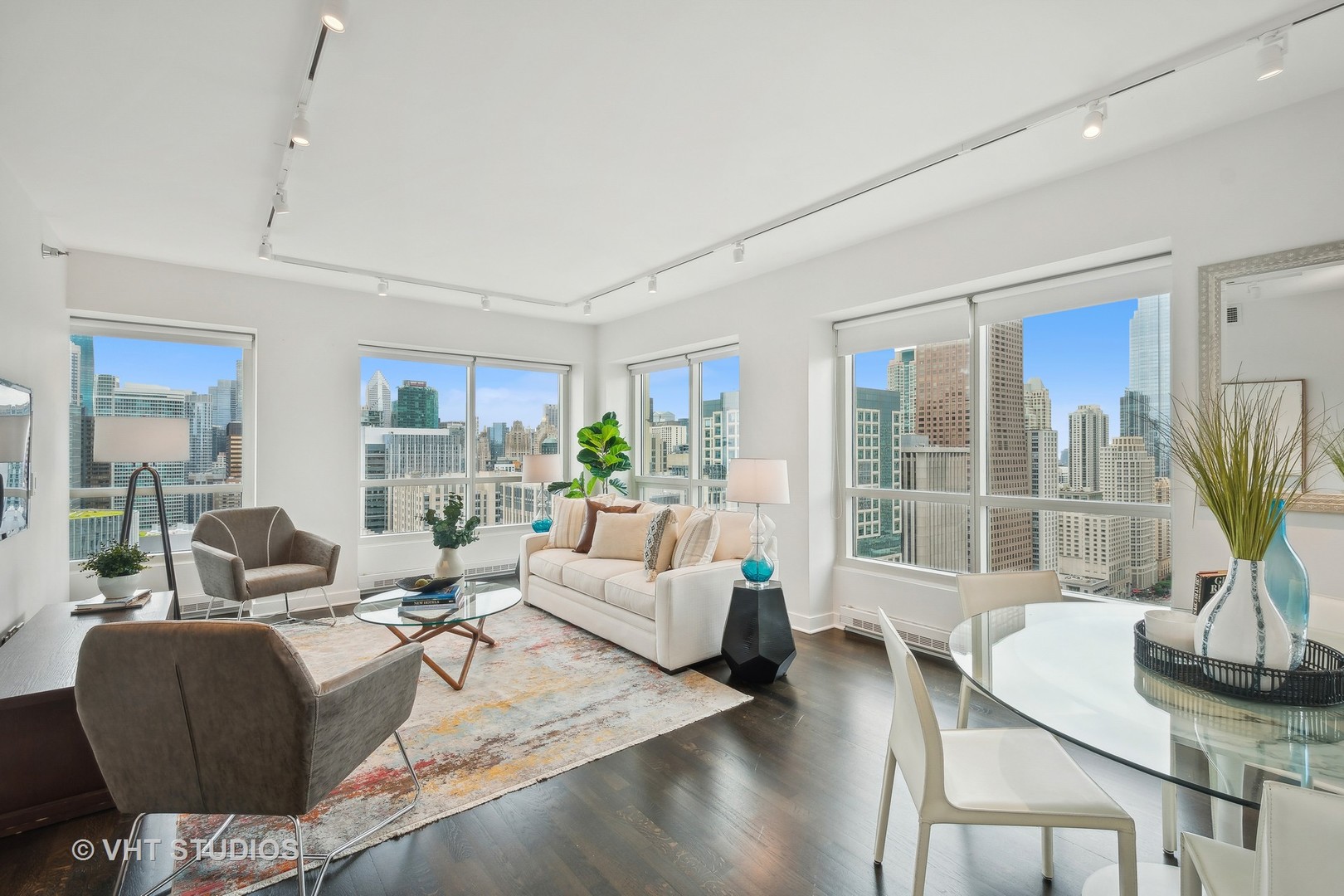
High-rise condo interior in Streeterville, downtown Chicago

Common Questions About the 2026 Chicago Condo Rules

Do Chicago condos have to have a reserve study?

Illinois law does not currently require condo associations to have a formal reserve study. The Illinois Condominium PropertyAct requires only "reasonable reserves." However, as ofAugust 3, 2026, Fannie Mae and Freddie Mac effectively require buildings to either fund reserves at 15% of the budget or have a reserve study completed within the last three years to remain eligible for conventional financing.

What makes a downtown Chicago condo non-warrantable in 2026?

A condo building can become non-warrantable if it has critical repairs exceeding $10,000 per unit with no funds set aside, reserves below the required threshold, 15% or more of units more than 60 days delinquent on dues, a single entity owning more than 20% of units, more than 35% commercial space, or inadequate master insurance.

What changes for Chicago condo buyers on August 3, 2026?

As ofAugust 3, 2026, the Limited Review shortcut is eliminated for condo buildings over 10 units. Every sale now requires a Full Review of the building's finances, reserves, insurance, and condition before a conventional mortgage is approved.

Let's Look at Your Building Before You List

Downtown Chicago condos, historic co-ops, and luxury high-rises each come with their own financial quirks, and after nearly four decades selling in these buildings, I know where the bodies are buried — facade easements, co-op board dynamics, reserve histories, and now the 2026 financing rules. If you own a condo in River North, the Gold Coast, Streeterville, or anywhere downtown and you're thinking about selling, let's pull your building's documents together and find out exactly where it stands. Reach out anytime — it's the kind of homework that's far better done early.

Posted in Buying in Chicago
June 9, 2026

Downtown Chicago Luxury Condo Market 2026 | What Sellers Should Know

If you own a luxury condo along Chicago's lakefront and you've been waiting for the "right" moment to sell, here's the truth heading into summer 2026: the market has been waiting on you. Inventory of downtown Chicago luxury condos is the tightest it's been in a decade, well-priced homes are going under contract in about a week, and the seasonal slowdown everyone braced for in May simply never arrived.

That's not optimism talking — it's what the numbers show. Let's walk through what's actually happening across the downtown Chicago condo market, and what it means if you own a home in Gold Coast, Streeterville, River North, Lincoln Park, or along Lake Shore Drive.

Downtown Chicago Luxury Condo Inventory Is the Tightest in a Decade

The single most important number in real estate isn't price — it's supply. And on the Chicago lakefront, luxury supply has been quietly evaporating.

A few years ago, condos priced above $1.5 million could sit on the market with thirty-plus months of inventory. That's a deep buyer's market, the kind where sellers wait and negotiate from a position of weakness. Today, that same luxury tier is sitting at roughly five to six months of supply. In the $800,000-to-$1.5 million range — the heart of the downtown Chicago luxury condo market — it's tighter still, closer to two to three months.

What "Months of Supply" Actually Means for Sellers

Months of supply tells you how long it would take to sell every active listing at the current pace of sales. The industry rule of thumb: around six months is a balanced market, less than that favors sellers, and more than that favors buyers.

So when luxury condo inventory drops from the twenties and thirties down to five or six months, that's not a small shift. It's the lakefront luxury market walking all the way from deep buyer's territory to balanced — and in the move-up tiers, firmly into seller's-market conditions. Fewer competing listings means a well-presented condo doesn't get lost in a crowd. It gets noticed.

What's Selling on Chicago's Lakefront — and How Fast

Low inventory only matters if buyers are showing up. They are. What hits the market in good condition and at the right price is moving quickly, and often above asking.

The $800K–$1.5M Sweet Spot

This is the engine of the downtown Chicago condo market — the price band where downsizers, empty nesters, and relocating executives are competing for the same well-located homes. This spring, condos in this range sold at roughly 104% of list price, with the majority closing above asking, and many going under contract in about a week.

Price per square foot in this tier is now at a ten-year high. That's worth sitting with for a moment: not "near a high," not "recovering" — the highest it has been in a decade. If you own a condo in this range in Streeterville, River North, the Gold Coast, or Lincoln Park, the market is rewarding it right now.

Top-Tier Luxury Above $1.5M

The ultra-high end of the Chicago lakefront condo market tells a slightly different — but still strong — story. For years, luxury condos above $1.5 million could take three to six months to find a buyer. Today, that timeline has compressed to roughly seven weeks. Combined with inventory at decade-low levels, that makes the top tier the healthiest it has looked in years.

There's one honest nuance for sellers at this level: price per square foot at the very top has eased back from its early-2025 peak. So while demand and absorption are strong, the per-foot premium of a year ago has softened. The lesson isn't "wait" — it's "price to where the market is today, not to last year's high." Aspirational pricing at this level is exactly where days on market and price reductions start to pile up.

Why May Didn't Bring the Slowdown Everyone Expected

There's a familiar rhythm to Chicago real estate. The spring market heats up, and conventional wisdom says it cools as Memorial Day approaches and attention turns to summer. This year, that cooling didn't come.

Sales held through late May and carried real momentum into the summer. Buyers stayed active, deals kept closing, and the gap between how many buyers are looking and how few quality luxury condos are available only widened. For a seller, that's the rare combination you hope for: strong demand meeting thin competition, right when the market is supposed to be slowing.

A Neighborhood Look at Downtown Chicago Luxury Condos

The lakefront isn't one market — it's a collection of distinct downtown Chicago neighborhoods, each with its own character and its own buyer.

In the Gold Coast, demand for vintage co-ops and luxury condos — especially the storied buildings along East Lake Shore Drive — remains a category of its own, where architecture, address, and scarcity all command a premium. Streeterville continues to draw buyers who want full-service, high-rise lakefront living within walking distance of the lake, Michigan Avenue, and Northwestern's medical corridor. River North offers the newer, amenity-rich luxury towers that appeal to buyers wanting modern finishes and a vibrant gallery-and-dining district at their doorstep. Lincoln Park rounds it out with boutique luxury condos that pair downtown access with a more residential, tree-lined feel.

What ties them together in 2026 is the same thread running through the whole lakefront: not enough quality luxury inventory to meet the buyers who want in. The well-priced, well-prepared listings are the ones capturing this demand.

What It Means If You're Thinking About Selling Your Downtown Chicago Condo

If selling has crossed your mind, the conditions in front of you are genuinely favorable. But "favorable market" and "any price works" are not the same thing.

Price to Today's Market, Not Last Year's Peak

The fastest way to waste a strong market is to overprice into it. Your best two weeks on the market — when interest is highest and competing buyers are most engaged — disappear the moment a listing needs a price reduction. The data is clear that well-priced luxury condos are being rewarded; aspirational pricing, particularly above $1.5 million, is where momentum stalls.

Well-Priced Luxury Is Being Rewarded — and Quickly

When a downtown Chicago luxury condo is priced to the current market and presented well, the response is fast and often competitive. That's the entire opportunity in a low-inventory environment: your home isn't one of fifty similar listings buyers are weighing. It may be one of a handful, or the only one, that fits what they're looking for.

The Bottom Line on Chicago's 2026 Lakefront Luxury Condo Market

The downtown Chicago luxury condo market heading into summer 2026 is defined by three things: inventory cut to a fraction of what it was, buyers actively competing for the homes that exist, and a market that didn't take its usual May breather. For owners of lakefront luxury condos, that's a window — low supply, motivated buyers, and prices that, in the core move-up tiers, are at ten-year highs.

If you've wondered what your condo would bring in today's market, this is a smart time to find out. The right answer for your home depends on your building, your floor, your views, and your timing — and that's exactly the conversation worth having now, while the market is working in your favor.

Curious what your downtown Chicago condo would sell for in this market? Reach out for a no-pressure conversation about your specific building and the numbers behind it.


Market data: MRED MLS, Chicago lakefront condo communities, through June 2026. Figures reflect recent closed sales and active inventory and are not a guarantee of future results.


May 13, 2026

7 Essential Downsizing Mistakes Chicago Homeowners Must Avoid

Downsizing a home in Chicago can be empowering when done thoughtfully, but common mistakes can make the process stressful and overwhelming. The most frequent missteps include waiting too long to start, underestimating the emotional journey, skipping financial planning, and making rushed decisions without a clear support system or guidance.

Why Downsizing Is a Major Milestone

For Chicago homeowners—especially those moving from spacious neighborhoods like Lakeview, Lincoln Park, or Beverly—downsizing is more than just a physical relocation. It represents the beginning of a new chapter in life. When done with proper guidance, downsizing can be an uplifting and streamlined experience. Without a plan, however, it can lead to rushed decisions and unnecessary setbacks.

The 7 Common Downsizing Mistakes (and How to Avoid Them)

1. Waiting Too Long to Start

The Mistake:
Procrastinating until circumstances such as health, finances, or family situations force an urgent move.

Why It Matters:
Rushing often means cramming years of memories and possessions into a last-minute process, leading to fatigue and poor decisions.

What to Do Instead:
Start downsizing early. Declutter one room or closet at a time—slow, steady progress helps prevent overwhelm and allows for more thoughtful decisions. Most homeowners say they wish they had started sooner.


2. Trying to Do It All Alone

The Mistake:
Handling the sorting, packing, and planning process completely on your own.

Why It Matters:
Downsizing comes with emotional, physical, and logistical challenges. Doing everything alone can quickly lead to burnout and missed details.

What to Do Instead:
Build a support team. This may include family, professional organizers, movers experienced with senior transitions, and a real estate advisor who understands downsizing.


3. Underestimating the Emotional Side

The Mistake:
Treating downsizing as simply getting rid of “stuff.”

Why It Matters:
Every room, piece of décor, and personal item may hold years—or even decades—of memories. Ignoring the emotional side can make the process feel overwhelming.

What to Do Instead:
Honor the memories. Keep what’s truly meaningful and thoughtfully donate or pass along the rest. Downsizing is about creating space for a new chapter, not erasing the past.


4. Skipping Financial Planning

The Mistake:
Focusing only on the sale price or purchase price instead of the full financial picture.

Why It Matters:
Moving costs, closing costs, taxes, HOA fees, and monthly expenses can add up quickly. Without planning, homeowners may miss opportunities to maximize equity or reduce future costs.

What to Do Instead:
Meet with a real estate expert and financial advisor to understand your net proceeds, future expenses, and long-term goals before making a move.


5. Choosing the Wrong Next Home

The Mistake:
Choosing a condo or apartment based only on price or square footage.

Why It Matters:
A home that doesn’t fit your lifestyle may lead to frustration—or another move sooner than expected.

What to Do Instead:
Think about your daily lifestyle needs, including:

  • Walkability to restaurants, parks, and shopping
  • Access to healthcare and public transportation
  • Building amenities and security
  • Accessibility features like elevators and single-level living

6. Letting Guilt or Family Pressure Guide the Decision

The Mistake:
Staying in a home because of family expectations or emotional guilt.

Why It Matters:
Decisions based on guilt can create stress and keep you in a home that no longer supports your current lifestyle.

What to Do Instead:
Make the decision based on your health, finances, freedom, and quality of life. Memories stay with people—not just the house.


7. Rushing the Sale or Choosing the Wrong Agent

The Mistake:
Listing your home without a clear plan or working with an agent who lacks downsizing experience.

Why It Matters:
Poor pricing, weak marketing, or lack of preparation can delay the sale and create unnecessary stress.

What to Do Instead:
Work with a real estate professional who understands downsizing and the Chicago condo market. Strategic pricing, staging, and targeted marketing can make the transition smoother and more profitable.


How to Downsize Like a Pro

Have a Written Plan

Set clear goals and timelines for every stage of the downsizing process.

Make an Accurate Budget

Don’t overlook moving costs, taxes, utilities, HOA fees, and monthly expenses when planning your next move.

Declutter Strategically

Use proven methods like the Four-Box Technique or the Marie Kondo method to simplify the process and reduce overwhelm.

Test Out Neighborhoods

Spend a weekend exploring potential neighborhoods and pay attention to walkability, convenience, noise levels, and community vibe.

Leverage Professionals

Real estate agents, organizers, and movers who specialize in downsizing can provide both practical help and emotional support throughout the transition.

Communicate With Family

Discuss expectations and emotional priorities early so everyone can support the transition together.

View More
March 30, 2026

Living in Chicago's South Loop: What Buyers Need to Know Before They Move

Living in Chicago's South Loop: What Buyers Need to Know Before They Move

If you're considering a move to one of Chicago's most dynamic downtown neighborhoods, the South Loop deserves a serious look.

Located just south of the Loop, the South Loop combines convenient city access with a more residential feel. Buyers can choose from modern high-rise condos, historic loft conversions, townhomes, and other housing options while staying close to Grant Park, the lakefront, Museum Campus, downtown offices, restaurants, and public transportation.

Whether you're relocating to Chicago for work, downsizing from a larger home, or trading suburban life for an urban lifestyle, the South Loop offers a combination of location, convenience, culture, and value that is hard to ignore.

What Is It Like to Live in Chicago's South Loop?

The South Loop has a distinct advantage: it feels connected to downtown without feeling quite as commercial as the heart of the Loop.

The neighborhood includes several distinctive areas, including historic Printers Row, the Prairie Avenue District, Motor Row, and the lakefront areas surrounding Grant Park and Museum Campus. Each pocket has its own personality, which means buyers can find very different lifestyles within the broader South Loop.

Printers Row is particularly known for its historic loft buildings and connection to Chicago's printing history. Many former industrial and printing buildings were converted into residences, giving the area an architectural character that is very different from the newer glass towers elsewhere in the South Loop.

For buyers who want a neighborhood with both history and modern conveniences, that combination can be a major draw.

Why Do Buyers Choose the South Loop?

1. You're Close to Chicago's Lakefront

One of the South Loop's biggest advantages is its proximity to Lake Michigan.

Residents have easy access to Grant Park, the lakefront, and the Lakefront Trail, making it possible to build outdoor time into everyday life without leaving the city.

The neighborhood is also home to Museum Campus, where you'll find the Field Museum, Shedd Aquarium, and Adler Planetarium. The setting is especially appealing because the museums sit along the lakefront with Chicago's skyline as a backdrop.

For buyers who value walking, parks, museums, and outdoor recreation, this is one of the South Loop's strongest lifestyle advantages.

2. Getting Around Is Convenient

Transportation is another major reason buyers consider the South Loop.

The neighborhood is served by CTA train and bus routes, including the Red and Green Lines, and the Roosevelt station provides access to Museum Campus and the surrounding lakefront attractions.

Lake Shore Drive also runs along the eastern edge of the neighborhood, providing convenient access to Chicago's lakefront communities.

For professionals commuting downtown, buyers relocating from the suburbs, and households that want to rely less on driving, the South Loop's location can make daily life considerably easier.

South Loop Chicago

The South Loop offers a mix of modern high-rise living, historic lofts, parks, cultural attractions, and convenient access to downtown.

What Types of Homes Can You Buy in the South Loop?

One of the South Loop's biggest advantages for buyers is the variety of housing.

Depending on the area and building, you may find:

  • Modern high-rise condominiums

  • Luxury condos and penthouses

  • Historic loft conversions

  • Mid-rise condominium buildings

  • Townhomes

  • Older buildings with larger floor plans

  • Newer buildings with extensive amenities

This variety makes the South Loop attractive to first-time downtown buyers, professionals, downsizers, empty nesters, and relocating buyers who want more space or amenities than they might find in some other central neighborhoods.

The right building, however, can make a significant difference. Two South Loop condos at similar prices can have very different monthly assessments, amenities, parking options, views, floor plans, and resale potential.

That's why buyers should evaluate the building—not just the individual unit.

What Is Printers Row Like?

Printers Row is one of the most distinctive parts of the South Loop.

The historic neighborhood developed around Chicago's printing industry and is known for converted loft buildings, historic architecture, and a quieter atmosphere than some of the surrounding downtown areas.

Today, many of the former industrial and printing buildings have been transformed into residences. The result is a neighborhood with character that appeals to buyers who prefer exposed brick, larger loft-style spaces, and historic architecture over newer glass-and-steel construction.

If architectural character is important to you, don't treat Printers Row as simply another part of the South Loop. It's worth exploring separately.

What Is There to Do in the South Loop?

You don't have to leave the neighborhood to find plenty to do.

Museum Campus

Museum Campus is one of the area's biggest attractions, with the Field Museum, Shedd Aquarium, and Adler Planetarium all located along the lakefront.

Grant Park and the Lakefront

Grant Park provides green space and access to some of Chicago's most recognizable lakefront attractions. The area also connects residents to the city's extensive lakefront recreation system.

Wabash Arts Corridor

The South Loop is also known for its large-scale public art. The Wabash Arts Corridor has transformed portions of the neighborhood into an outdoor gallery featuring murals and other works of public art.

Motor Row and Entertainment

The historic Motor Row area has evolved into an entertainment and dining destination while retaining elements of its automotive history. The broader South Loop also puts residents near Soldier Field, McCormick Place, and major events throughout the year.

Is the South Loop a Good Neighborhood for Downsizers?

For many downsizers, yes.

The South Loop can be especially appealing to homeowners who want to exchange a larger house for a lower-maintenance condo without giving up access to restaurants, parks, cultural attractions, and transportation.

Instead of maintaining a yard, shoveling snow, or managing a large home, a buyer can choose a condo building with amenities and services that better fit their current lifestyle.

The key is choosing the right building.

Downsizers should pay close attention to:

  • Elevator access

  • Single-level floor plans

  • Building amenities

  • Monthly assessments

  • Property taxes

  • Parking

  • Storage

  • Guest accommodations

  • Walkability

  • Access to healthcare and transportation

A beautiful condo isn't necessarily the right condo if the building or location doesn't support your day-to-day lifestyle.

Is the South Loop Good for People Relocating to Chicago?

The South Loop can be an excellent option for buyers relocating to Chicago because it offers a relatively straightforward introduction to downtown city living.

You can be close to downtown offices while also having access to parks, the lakefront, museums, restaurants, public transportation, and residential streets.

For someone moving from the suburbs, the South Loop can provide a genuine urban experience without requiring the buyer to live in the middle of the busiest commercial areas.

For an out-of-state buyer, however, it's important to spend time in the neighborhood before purchasing. Walk the streets, visit different buildings, test the commute, and experience the neighborhood at different times of day.

What Should Buyers Know About South Loop Condos?

Buying a condo in the South Loop requires looking beyond the list price.

Before making an offer, buyers should evaluate:

Monthly Assessments

A lower-priced condo with a high monthly assessment may have a very different monthly cost than a more expensive unit with a lower assessment.

Building Financials

Review the building's financial health, reserves, assessments, and any planned or ongoing capital projects.

Parking

Parking can be particularly important for buyers who drive. Some buildings offer deeded or assigned parking, while others have different parking arrangements. Availability and cost vary by building.

Floor and Views

In a high-rise market, floor level and views can have a significant impact on desirability and resale value.

Layout

Square footage alone doesn't tell the whole story. A well-designed two-bedroom can feel considerably more functional than a larger unit with an inefficient floor plan.

Location Within the South Loop

Being near Grant Park, Printers Row, Museum Campus, McCormick Place, or another part of the neighborhood can create a very different living experience.

What Should You Look for When Buying in the South Loop?

Before choosing a property, think about how you actually want to live.

Ask yourself:

  • Do I want to walk to restaurants and coffee shops?

  • How important is lakefront access?

  • Do I need parking?

  • Will I use public transportation?

  • Do I want a full-service building?

  • How important are amenities such as a fitness center, doorman, or rooftop space?

  • Would I prefer a historic loft or a newer high-rise?

  • How much am I comfortable spending each month on assessments and property taxes?

  • Do I want to be closer to Printers Row, Grant Park, Museum Campus, or McCormick Place?

  • How important are views and natural light?

These questions can help narrow your search much faster than simply searching by price and bedroom count.

South Loop vs. Other Downtown Chicago Neighborhoods

The South Loop isn't the only downtown neighborhood worth considering, but it has a combination that makes it distinctive.

Compared with the Loop, the South Loop generally offers a more residential atmosphere while remaining close to the central business district.

Compared with River North, it tends to feel less focused on nightlife and more connected to parks, museums, the lakefront, and residential living.

Compared with the Gold Coast or Streeterville, buyers may find a different mix of housing styles and price points, particularly in areas such as Printers Row.

The best neighborhood ultimately depends on what you want from your Chicago lifestyle.

Is the South Loop Right for You?

The South Loop is particularly appealing if you want:

  • Downtown convenience without living in the busiest part of the Loop

  • Easy access to the lakefront

  • Walkability to museums, parks, and restaurants

  • A mix of historic and modern architecture

  • High-rise and loft-style condo options

  • Convenient CTA access

  • A neighborhood that works well for both city professionals and downsizers

It may not be the right fit for everyone. Buyers who want a quieter residential environment with primarily single-family homes may prefer neighborhoods farther from downtown. But if your priority is combining urban convenience with residential comfort, the South Loop deserves a place on your shortlist.

View More
March 29, 2026

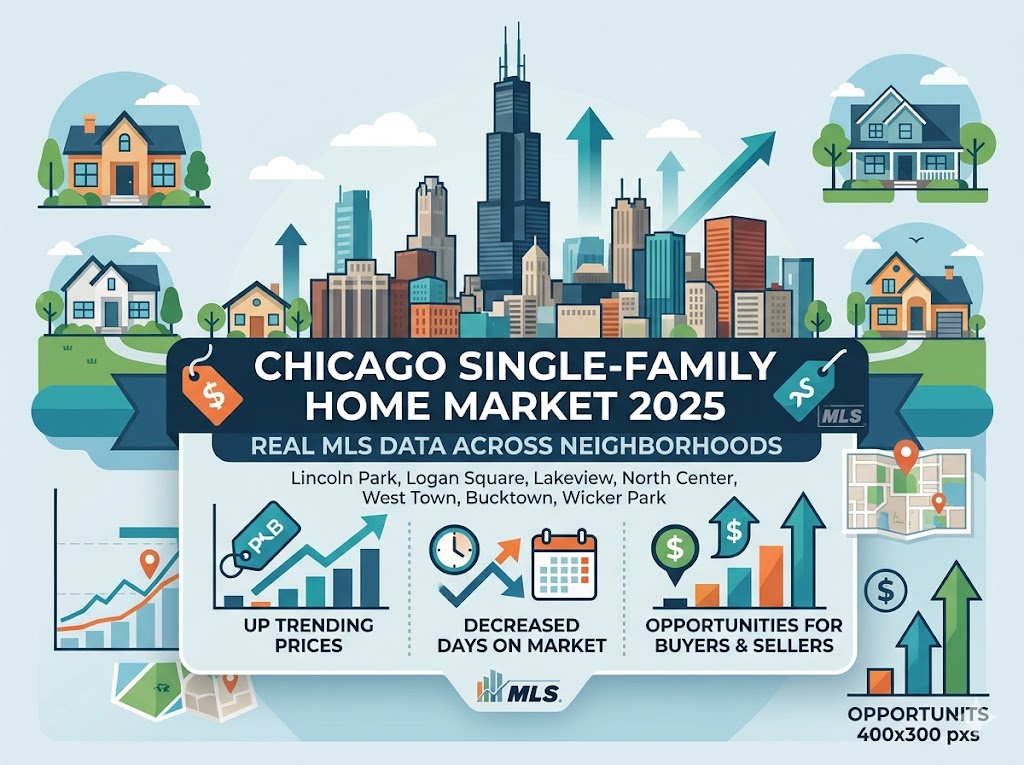
Chicago Single-Family Home Market 2026: What Buyers and Sellers Need to Know

How is the Chicago single-family home market performing in 2026? Chicago's single-family home market remains highly neighborhood-specific. Over the past year, sales activity across 10 major Chicago neighborhoods shows a wide range of median prices, market times, and buyer demand.

Lincoln Park leads the luxury market, Logan Square leads in transaction volume, and Lincoln Square has the fastest overall average market time. Meanwhile, limited inventory continues to give well-priced homes an advantage in many neighborhoods.

The data below looks at detached single-family home sales, current contracts, and active listings across these 10 Chicago markets to show where demand is strongest, where buyers have more options, and where sellers may need more patience.
Chicago Single-Family Home Market at a Glance

  • Highest median sale price: Lincoln Park, at $2.39 million
  • Highest sales volume: Logan Square, with 192 single-family home sales
  • Fastest market: Lincoln Square, with an average market time of 31 days
  • Largest total sales volume: Lincoln Park, with more than $467 million in sales
  • Strong upper-mid-market activity: Lake View, with 59 sales between $1 million and $2 million
  • Lowest median sale price: Near West Side, at $615,000
  • Most limited market: Near South Side, with only 6 sales
  • Luxury takeaway: Higher-priced homes generally require more patience than well-priced homes in the $1 million–$3 million range
  • Buyer takeaway: Inventory remains limited in many neighborhoods, so preparation and speed matter when the right property appears

Lincoln Park Single-Family Home Market: Chicago's Luxury Leader

Lincoln Park remains in a category of its own when it comes to Chicago's single-family home market.

Over the past year, 175 homes sold with a median sale price of $2.39 million and an average of $2.67 million, representing more than $467 million in total sales volume. Average market time was 65 days.

The luxury tier performed particularly well. Twenty-three homes priced at $4 million or more sold, including 8 homes that closed above $5 million.

Demand remains strong at the top, although buyers and sellers should expect different conditions depending on price point. Currently, 23 homes are under contract with a median list price of $2.775 million and an average of nearly $2.95 million.

There are currently 20 active listings, with an average asking price of $4.17 million and a median of $3.22 million. Some higher-priced listings have been sitting considerably longer.

What does this mean for Lincoln Park sellers? Sellers in the $1 million–$3 million range are generally positioned in a favorable segment of the market. Above $5 million, pricing, presentation, and patience become increasingly important.

What does this mean for buyers? Buyers looking for luxury homes in Lincoln Park should be prepared to act when the right property appears, but the highest-priced segment may offer more negotiating opportunity.

[Browse Lincoln Park homes →]

Lake View Single-Family Home Market: Strong Demand Above $1 Million

Lake View stands out for both transaction volume and depth in the upper-mid price range.

A total of 120 single-family homes sold over the past year, with a median sale price of $1.85 million and an average of $1.94 million. Total sales volume exceeded $233 million.

The $1 million–$2 million price range drove much of the market, with 59 sales. Another 38 homes closed between $2 million and $3 million, demonstrating continued demand for higher-end single-family properties in Lake View.

Average market time was 56 days overall.

The current pipeline remains active, with 14 homes under contract at a median list price approaching $1.94 million and an average of $2.22 million.

There are currently 12 active listings, but the available inventory skews toward larger and more premium homes. The median asking price is $2.9 million, with an average above $3.3 million.

The takeaway: Well-priced single-family homes in the $1.5 million–$2.5 million range continue to attract buyers, while sellers at the higher end need to pay close attention to competing inventory.

[Explore Lake View listings →]

North Center Single-Family Home Market: Consistent and Competitive

North Center continues to be one of Chicago's most consistent single-family home markets.

A total of 157 homes sold over the past year, with both the median and average sale price at approximately $1.7 million. That similarity suggests a relatively well-calibrated market without a major gap between the typical and average sale.

Total sales volume reached approximately $266 million, while average market time was just 44 days.

Currently, 18 homes are under contract with a median list price of $1.85 million.

Active inventory is lean, with only 9 homes currently on the market. The median asking price is $2.2 million, and average market time for the active listings is 84 days.

For sellers: The $1.5 million–$2.5 million range appears to be a particularly active segment when homes are priced appropriately.

For buyers: Limited inventory means preparation matters. When a desirable property comes on the market, buyers should be ready to move quickly.

Logan Square Single-Family Home Market: Highest Sales Volume

Logan Square led all 10 neighborhoods in this report in single-family home transactions.

A total of 192 single-family homes sold over the past year, more than any other neighborhood analyzed. The median sale price was $1.144 million, with an average of $1.17 million, generating more than $225 million in total sales volume.

Average market time was just 35 days, making Logan Square the second-fastest market in this analysis.

The $1 million–$2 million range dominated, with 99 sales. The $900,000–$999,000 range was particularly fast, with 13 homes selling in an average of only 8 days.

Currently, 19 homes are under contract with a median list price of $1.05 million.

For buyers, Logan Square continues to offer a combination of character, walkability, neighborhood amenities, and relative value compared with some of Chicago's more expensive North Side markets.

The takeaway: Demand is especially strong when well-priced single-family homes come to market in the most accessible price ranges.

[See Logan Square listings →]

West Town, Bucktown & Wicker Park: Strong Demand Across Price Points

West Town, including Bucktown and Wicker Park, delivered impressive single-family home activity across a broad range of prices.

A total of 179 homes sold over the past year, with a median sale price of $1.3 million and an average of $1.33 million. Total sales volume exceeded $238 million.

Average market time was 48 days, while the $1 million–$2 million range accounted for 115 sales.

The market also has an unusually broad range of housing and price points. Sales ranged from $275,000 to $4.55 million, reflecting the area's mix of coach houses, vintage two-flats, renovated homes, and new-construction luxury properties.

Currently, 19 homes are under contract with a median list price of $1.6 million.

There are 15 active listings, but the current inventory skews toward higher-priced properties. Average market time among those active listings is 231 days, suggesting that sellers at elevated price points need to be particularly strategic about pricing and positioning.

The takeaway: West Town offers considerable depth, but the experience of buying or selling can vary dramatically depending on the property type and price range.

[Explore Wicker Park listings →]

Lincoln Square Single-Family Home Market: The Fastest Market

Lincoln Square is where well-priced single-family homes can disappear quickly.

Seventy-one homes sold over the past 12 months with a median sale price of $1.03 million and an average of $1.17 million.

The overall average market time was just 31 days — the fastest of any neighborhood in this report.

The $700,000–$999,000 range was particularly active, with homes in those price brackets averaging approximately 6 to 13 days on the market.

Even at the higher end, the $2 million–$3 million segment averaged only 37 days.

For buyers: Lincoln Square rewards preparation. Having financing, a clear search strategy, and a strong understanding of current values can make a significant difference when a desirable home hits the market.

For sellers: The data suggests that pricing at or near market value can generate strong buyer interest and faster results.

[Search Lincoln Square homes →]

Edgewater Single-Family Home Market: Lower Entry Prices and Fast Sales

Edgewater offers an interesting combination of relative affordability and market speed.

Forty-six single-family homes sold over the past year with a median sale price of $947,500, the lowest median among the lakefront-adjacent neighborhoods analyzed in this report.

Average market time was just 34 days.

The $600,000–$799,000 range was particularly active, with 8 sales averaging only 19 days on the market.

At the upper end, 18 homes closed between $1 million and $2 million, while 3 sold above $2 million. The highest sale reached $2.6 million, demonstrating that Edgewater supports a surprisingly broad range of single-family home prices.

Only 4 homes are currently active.

The takeaway: Buyers looking in Edgewater should be prepared for limited selection, particularly when looking for a well-priced home in the lower and middle price ranges.

Uptown Single-Family Home Market: Limited Inventory

Uptown's single-family market is smaller than many of the other neighborhoods in this report, but it has shown considerable efficiency.

Thirty-four homes sold over the past year with a median sale price of $1.387 million and an average of $1.405 million.

Average market time was 46 days.

The $800,000–$999,000 range moved particularly quickly, with homes in those price brackets averaging only 7 to 9 days on the market.

Only 5 active listings currently exist. The median asking price is $2.575 million, with an average market time of 68 days.

Most of the current inventory is concentrated at the upper end.

For buyers: If you're looking for an Uptown single-family home at a more accessible price point, inventory is extremely limited right now.

Near West Side Single-Family Home Market: More Affordable, Slower Pace

Near West Side offers one of the broadest combinations of price points and property types in this analysis, along with a more deliberate pace.

Twenty-five homes sold over the past year at a median sale price of $615,000 and an average of $605,000.

Average market time was 83 days.

The $700,000–$799,000 range led the price brackets with 7 sales, although those homes averaged 133 days on the market.

Currently, 3 homes are under contract with a median list price of $800,000.

The takeaway: Near West Side can offer a lower entry point compared with neighborhoods such as Lincoln Park, Lake View, and West Town, but buyers and sellers should be prepared for a wider range of property conditions and potentially longer marketing timelines.

[Explore Near West Side listings →]

Near South Side Single-Family Home Market: Small but Luxury-Focused

Near South Side had the fewest single-family transactions among the 10 neighborhoods analyzed, making it a much thinner and more specialized market.

Six homes closed over the past year, with a median sale price of $1.237 million and an average of $1.388 million.

All six sales fell within the $1 million–$2 million range and averaged 67 days on the market.

One home is currently under contract at $1.175 million.

The takeaway: This is a small market where individual properties can have a significant impact on the statistics. Buyers interested in Near South Side should be prepared to act when the right property becomes available.

What the Chicago Single-Family Home Market Is Telling Buyers and Sellers

Looking across all 10 neighborhoods, several important trends emerge.

Well-Priced Homes Are Still Moving Quickly

Lincoln Square and Logan Square demonstrate how accurately priced homes can move quickly, with average market times of 31 and 35 days respectively.

Price matters enormously. A desirable property can still sit if it is positioned above what buyers perceive as market value.

Luxury Buyers Have More Time — But Not Unlimited Options

The luxury market behaves differently from the broader single-family market.

Lincoln Park's $4 million-plus segment and higher-priced Lake View inventory show that luxury sellers may need more patience. At the same time, the number of available homes remains relatively limited compared with the potential buyer pool.

For luxury sellers, pricing, presentation, marketing exposure, and understanding the competition are especially important.

Inventory Varies Dramatically by Neighborhood

Chicago should not be viewed as one single-family housing market.

A buyer looking at a $1.2 million home in Logan Square may experience a very different market from a buyer searching for a $5 million home in Lincoln Park.

The same is true for sellers. The ideal pricing strategy depends not only on the neighborhood but also on the specific block, property condition, size, architecture, and competing inventory.

Which Chicago Neighborhood Is Best for Single-Family Homes?

There is no single best Chicago neighborhood for every buyer. The right choice depends on budget, lifestyle, property type, commute, and priorities.

For luxury buyers: Lincoln Park offers the deepest concentration of high-end single-family homes in this analysis.

For transaction volume: Logan Square had the most sales, with 192 single-family home closings.

For speed: Lincoln Square had the shortest average market time at 31 days.

For upper-mid-market buyers: Lake View showed substantial activity between $1 million and $3 million.

For lower entry prices: Near West Side had the lowest median sale price among the neighborhoods analyzed, at $615,000.

The important point is that neighborhood-level statistics tell only part of the story. A home's exact location, condition, architecture, lot, updates, and price can dramatically change how it performs.

What Should Buyers Know Before Purchasing a Chicago Single-Family Home?

Buyers should look beyond the asking price.

Before making an offer, consider:

  • Recent comparable sales on the same block or nearby
  • How long competing homes have been on the market
  • Current active and under-contract inventory
  • Property condition and likely renovation costs
  • Lot size and location
  • Parking and garage availability
  • Property taxes
  • Recent price reductions
  • The home's resale potential
  • How quickly comparable homes are actually selling

In competitive neighborhoods, being prepared before the right property appears can be just as important as finding the property itself.

What Should Sellers Know Before Listing a Chicago Single-Family Home?

Sellers should avoid relying on a citywide average when determining value.

A strong pricing strategy should consider:

  • Recent closed sales
  • Current competition
  • Homes under contract
  • Price per square foot
  • Property condition
  • Renovations and updates
  • Lot and location
  • Architectural character
  • Market time for comparable homes
  • Current buyer demand within the specific price range

The right question isn't simply, "What are Chicago homes selling for?"

It's "What are homes like mine selling for right now, and how is my property positioned against the competition?"

View More

March 28, 2026

What Downtown Chicago Condo Buyers Want in 2026 — And How to Use It to Your Advantage

If you're thinking about selling your downtown Chicago condo in 2026, understanding what today's buyers actually want can help you price, prepare, and market your property more effectively.

So, what are Chicago condo buyers looking for right now? Buyers are increasingly prioritizing functional layouts, private outdoor space, updated interiors, natural light and views, manageable monthly assessments, financially healthy buildings, and walkable locations. They are not simply comparing square footage or asking price — they're evaluating the entire ownership experience.

Those priorities can vary by neighborhood, building, and price point. But across downtown Chicago communities such as River North, Gold Coast, Streeterville, South Loop, and the West Loop, several buyer priorities consistently stand out.

What Do Chicago Condo Buyers Want in 2026?

Today's downtown Chicago condo buyers are looking for more than a beautiful interior. They want a property that fits the way they live, works financially, and feels like a smart long-term purchase.

The most important features include:

  • Flexible, functional floor plans

  • Home office or second-bedroom potential

  • Private balconies, terraces, or patios

  • Updated kitchens and bathrooms

  • In-unit laundry

  • Natural light and meaningful views

  • Reasonable monthly assessments

  • Healthy building finances and reserves

  • Convenient CTA access and walkability

  • A desirable neighborhood lifestyle

For sellers, the takeaway is simple: the features buyers value most should be visible in your listing, your photography, your property description, and your pricing strategy.

The Layout Has to Work — Really Work

For many Chicago buyers, a condo's floor plan is just as important as its finishes.

Remote and hybrid work have made flexible living space particularly valuable. Buyers may be looking for a true second bedroom that can function as a home office, a dedicated workspace, or a floor plan that creates some separation between living, sleeping, and working areas.

Natural light is another major consideration. Large windows, open exposures, skyline views, and Lake Michigan views can help a condo stand out when buyers are comparing similar properties.

If your condo has a flexible layout, don't bury that feature in the MLS description.

Instead of simply writing "two-bedroom condo," explain how the space works:

Second bedroom ideal for a home office.
Dedicated work-from-home space.
Open living area with separate dining space.
Floor-to-ceiling windows with skyline views.

The goal is to help buyers picture themselves living there.

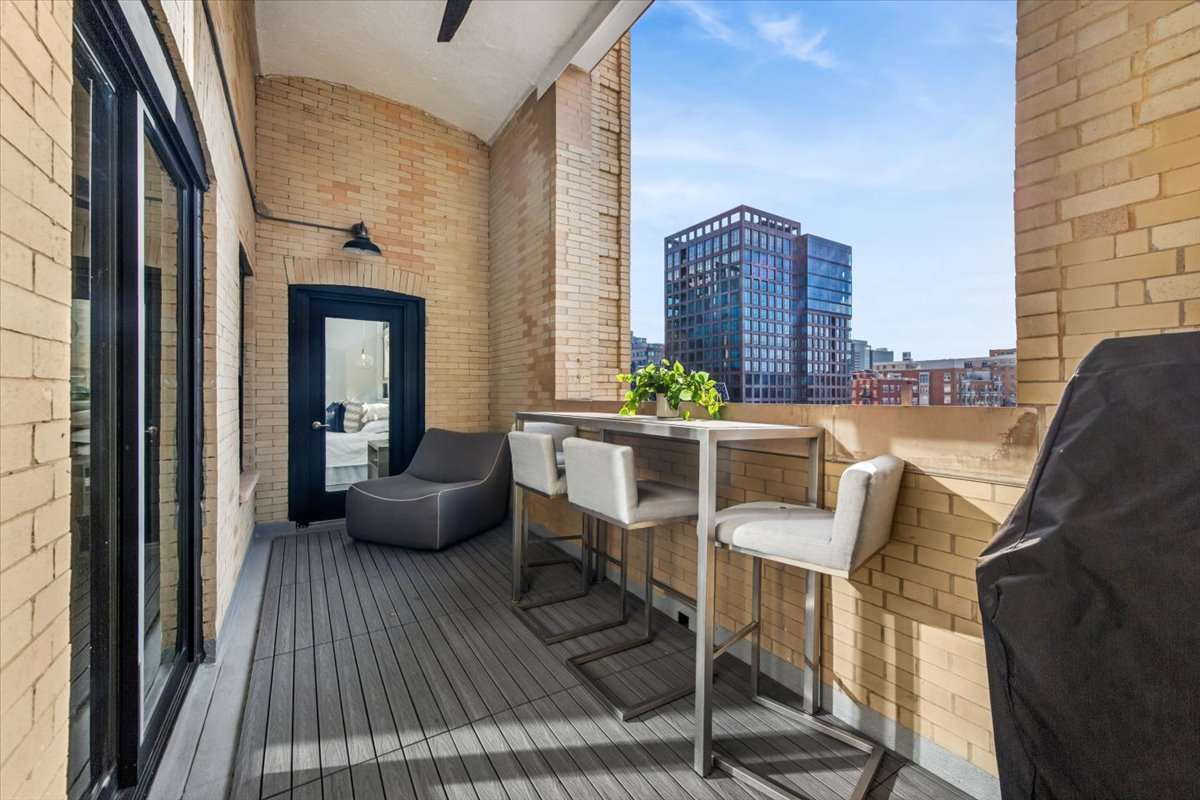
Featured Property: 1000 W Washington 406

A private outdoor space can make a meaningful difference in how buyers experience a downtown condo.

Is Outdoor Space Important to Chicago Condo Buyers?

Yes — private outdoor space has become a major selling feature for many downtown Chicago condo buyers.

A private balcony, terrace, or patio gives buyers something they cannot get from the interior alone: usable outdoor living space in the heart of the city.

This can be especially compelling in neighborhoods such as Streeterville and Gold Coast, where buyers may be comparing multiple luxury condos with different outdoor configurations.

If your property has a balcony or terrace, make sure buyers can see it clearly.

That means:

  • Professional exterior and balcony photography

  • Photos showing the view

  • Clean and well-staged outdoor furniture

  • A floor plan that makes the outdoor space easy to understand

  • Listing copy that explains how the space can actually be used

A small balcony may not compete with a large private terrace — but it can still be an important differentiator.

Are Turnkey Chicago Condos Easier to Sell?

In many cases, yes. Buyers who have several options are often more attracted to condos that feel move-in ready rather than properties requiring immediate cosmetic work.

Today's buyers may be willing to renovate, particularly at higher price points, but they are also evaluating the cost, time, and inconvenience involved.

Features that can help a condo feel turnkey include:

  • Updated kitchens

  • Modern bathrooms

  • Quality flooring

  • Fresh paint

  • Updated lighting

  • In-unit laundry

  • Well-maintained windows and doors

  • Clean, attractive common areas

That doesn't mean every seller should undertake a major renovation before listing.

In many cases, targeted improvements can make more sense than a full remodel. The right strategy depends on the building, the unit's current condition, comparable sales, and the price range you're competing in.

If you're unsure what is worth updating before selling, let's talk through your options.

Why Building Financial Health Matters to Chicago Condo Buyers

One of the biggest mistakes a condo seller can make is focusing only on the condition of the unit.

The building matters, too.

Today's buyers and their lenders may closely examine:

  • Monthly assessments

  • Reserve funds

  • Special assessment history

  • Building insurance

  • Upcoming capital projects

  • Maintenance and repair history

  • Association financials

  • Litigation and other building-level issues

This has become an increasingly important part of the Chicago condo conversation.

Anne's July 2026 Chicago condo market analysis found a significant relationship between monthly assessments and market performance. Condos with assessments below $0.50 per square foot had a median seven days to contract, while those above $1.00 per square foot had a median 32 days to contract.

That doesn't mean a higher assessment automatically makes a condo a bad investment. A higher monthly assessment can reflect desirable amenities, services, or necessary building expenses.

What matters is whether buyers understand what they are paying for and how financially healthy the building is.

For sellers, transparency can become a competitive advantage.

If your building has healthy reserves, well-maintained common areas, a strong management history, and no major unresolved issues, those facts can help buyers feel more confident about the purchase.

How Important Are Walkability and Neighborhood Location?

Location remains one of the most important factors in Chicago real estate, but buyers are increasingly thinking about the lifestyle that comes with the location.

A condo isn't just a place to live. It's also a way to access restaurants, parks, public transportation, shopping, cultural attractions, lakefront amenities, and the daily rhythm of a neighborhood.

Different downtown areas appeal to different buyers.

River North

River North attracts buyers who want an energetic downtown lifestyle, restaurants, galleries, nightlife, and convenient access to the central business district.

Gold Coast

Gold Coast appeals to buyers looking for luxury, historic character, upscale shopping, dining, and proximity to the lakefront.

Streeterville

Streeterville is particularly appealing to buyers who value lakefront access, high-rise living, cultural institutions, shopping, restaurants, and downtown convenience.

South Loop

South Loop can appeal to buyers looking for more space, lakefront access, parks, museums, transportation, and a somewhat more residential downtown environment.

West Loop and Fulton Market

The West Loop and Fulton Market attract buyers drawn to chef-driven restaurants, nightlife, newer construction, and a highly walkable urban lifestyle.

The neighborhood itself becomes part of the property's value proposition.

What Makes a Downtown Chicago Condo More Attractive to Buyers?

The strongest listings don't simply provide a list of features. They connect those features to the buyer's lifestyle.

For example:

Instead of:
"Two-bedroom condo with balcony."

Consider:
"Flexible two-bedroom layout with a private balcony, ideal for buyers who want a dedicated home office and outdoor space in the heart of downtown Chicago."

Instead of:

"Updated kitchen."

Consider:

"Updated kitchen with modern finishes and an efficient layout designed for everyday living and entertaining."

The goal isn't to exaggerate.

It's to make the property's real advantages easy to understand.

Does the Building Matter as Much as the Condo?

For many buyers, yes.

Two condos with similar square footage and asking prices can perform very differently if one is in a building with stronger finances, lower carrying costs, better-maintained common areas, or fewer upcoming capital concerns.

This is particularly important in today's market because buyers are becoming more analytical about the total cost of ownership.

A seller should be prepared to answer questions about:

  • Current monthly assessments

  • What the assessment includes

  • Recent special assessments

  • Upcoming projects

  • Reserve funding

  • Building improvements

  • Parking and storage

  • Rental restrictions

  • Pet policies

  • Building amenities

Being prepared with accurate information can reduce uncertainty and make the selling process smoother.

What Should Chicago Condo Sellers Do Before Listing?

Before putting your condo on the market, take a close look at both the unit and the building.

1. Evaluate the Condition

Identify cosmetic improvements that could make the property more competitive without overspending.

2. Review Your Building Financials

Understand your monthly assessment, reserves, special assessments, insurance, and upcoming capital projects.

3. Identify Your Best Buyer

Is your likely buyer a downsizer, professional couple, investor, second-home buyer, luxury buyer, or someone relocating to Chicago?

4. Highlight the Lifestyle

Don't just market the unit. Market the neighborhood, views, transportation, restaurants, parks, lakefront access, and amenities that make the location desirable.

5. Price Against the Right Competition

Your competition isn't every condo in downtown Chicago. It is the group of properties that buyers are most likely to compare with yours based on location, size, condition, building, views, amenities, and price.

6. Make the First Impression Count

Professional photography, thoughtful staging, accurate floor plans, compelling listing copy, and a strategic launch can make a significant difference.

The Bottom Line for Downtown Chicago Condo Sellers

What Chicago condo buyers want in 2026 is a property that works on three levels: lifestyle, condition, and financial value.

They want a condo that feels good to live in, doesn't require an immediate renovation, and makes sense when they look beyond the asking price to monthly assessments and building health.

That means sellers should think beyond square footage.

A flexible floor plan, private outdoor space, updated finishes, strong natural light, attractive views, reasonable carrying costs, and a well-managed building can all help your condo stand out.

The opportunity is to understand which of those advantages matter most to the buyers for your specific property — and build your pricing and marketing strategy around them.

Ready to Sell Your Downtown Chicago Condo?

Whether you're downsizing, relocating, moving to a single-family home, or simply ready for your next chapter, the first step is understanding what your condo is worth in today's market.

Request your free home valuation and let's discuss how to position your property to attract the right buyers.

If you have questions about selling your downtown Chicago condo, reach out to Anne Rossley. A strategic conversation before you list can help you decide what to update, what to leave alone, how to price your property, and how to present it to today's buyers.

About Anne Rossley

Anne Rossley is a Chicago-based real estate broker specializing in luxury properties, historic architecture, and the city's most sought-after urban neighborhoods. With extensive experience guiding buyers and sellers throughout Chicago's downtown and luxury markets, Anne brings a strategic, client-first approach to every transaction.

Learn more about Anne Rossley →


Posted in Selling in Chicago
March 27, 2026

Single-Family Home Market in Lincoln Park, Lakeview & Uptown: What the Numbers Say Right Now

If you're considering buying or selling a single-family home in Lincoln Park, Lakeview, or Uptown, the latest 12-month market data tells a clear story: well-priced, well-prepared homes are still attracting strong buyer demand.

But these three Chicago North Side neighborhoods are performing differently.

Lincoln Park remains a premium, highly competitive market with an average sale price of $2.67 million. Lakeview is an efficient and liquid market where homes are selling in an average of 55 days. Uptown has extremely limited inventory, with well-priced homes frequently selling at or above their original asking price.

Here's what the latest numbers tell us about the Chicago single-family home market in each neighborhood.

Lincoln Park Single-Family Homes: High Prices and Strong Demand

Lincoln Park continues to be one of Chicago's most sought-after neighborhoods for single-family homes.

Over the past 12 months:

  • 175 single-family homes sold

  • 94% sell-through rate

  • $2.67 million average sale price

  • Homes sold for approximately 98% of list price and original list price

  • 65 days average market time

  • Only 2% of listings expired without selling

The 4-bedroom segment stands out. Fifty-nine 4-bedroom homes sold during the past year, with an average market time of just 29 days — the fastest-selling segment among these three neighborhoods.

For sellers, this suggests particularly strong demand for well-positioned 4-bedroom homes.

Larger homes with 5 or more bedrooms took longer to sell, averaging 84 days on market, but still achieved approximately 97% of original list price.

Lincoln Park Current Inventory

There are currently 34 active single-family homes listed in Lincoln Park, with an average asking price of approximately $3.74 million and an average of 135 days on market.

That longer market time at the higher end suggests luxury buyers have more options and sellers may need to be patient and strategic with pricing.

Browse Lincoln Park homes →

Lakeview Single-Family Homes: Efficient and Competitive

Lakeview is showing some of the strongest overall performance among the three neighborhoods.

During the past 12 months:

  • 120 single-family homes sold

  • 97% sell-through rate

  • $1.94 million average sale price

  • 55 days average market time

  • 3-bedroom homes averaged just 27 days on market

  • 3-bedroom homes sold for approximately 103% of original list price

The 3-bedroom segment is particularly notable. Homes in this category averaged only 27 days on market and sold above their original asking price, suggesting that well-priced and well-prepared 3-bedroom homes can generate significant buyer competition.

Lakeview Current Inventory

Lakeview currently has 25 active single-family listings, averaging approximately $2.67 million in asking price and 111 days on market.

For buyers, this provides more options than the extremely limited inventory in Uptown, while sellers continue to benefit from strong demand.

Explore Lakeview listings →

Uptown Single-Family Homes: Limited Inventory and Strong Results

Uptown has a much smaller single-family home market than Lincoln Park or Lakeview, but the numbers are striking.

Over the past 12 months:

  • 34 single-family homes sold

  • 97% sell-through rate

  • $1.4 million average sale price

  • Homes sold for approximately 101% of original list price

  • 3-bedroom and 4-bedroom homes both had a 100% sell rate

  • No expired listings in the 3-bedroom and 4-bedroom segments

The combination of limited inventory and strong demand creates a competitive environment for buyers.

There are currently only 7 active single-family homes listed in Uptown.

One 2-bedroom home currently listed at $825,000 has been on the market for 234 days, suggesting that buyers remain price-sensitive in that segment. Meanwhile, 3-bedroom and 4-bedroom homes have demonstrated much stronger market performance.

See Uptown-area homes →

What Is the Chicago Single-Family Home Market Like Right Now?

The latest data from Lincoln Park, Lakeview, and Uptown points to a market where pricing and preparation matter enormously.

Across all three neighborhoods, well-priced homes are selling successfully, and expired listings remain relatively rare.

However, market conditions vary significantly by neighborhood and property type.

Lincoln Park offers the highest average prices and particularly strong demand for 4-bedroom homes.

Lakeview has demonstrated strong market efficiency, with 3-bedroom homes averaging only 27 days on market and selling above original asking price.

Uptown has the tightest inventory, with only 7 active single-family listings and strong sell-through rates for 3- and 4-bedroom homes.

For sellers, the message is straightforward: accurate pricing, strong preparation, and effective marketing can make a significant difference.

For buyers, limited inventory means being prepared to act when the right home comes to market can be important.

What Should Buyers and Sellers Know About Lincoln Park, Lakeview and Uptown?

If you're buying, financing should be in place and you should have a clear understanding of what you're looking for before the right property appears.

If you're selling, understanding how your specific neighborhood, bedroom count, condition, price range, and property features compare with recent sales is essential.

The neighborhood averages tell us a lot — but they don't tell the entire story.

Two homes in the same neighborhood can have dramatically different market times and sale prices depending on condition, location, lot size, architecture, renovations, layout, and pricing strategy.

View More
March 26, 2026

What to Fix, Update, and Do Before Listing Your Chicago Home or Condo

Ready to sell your Chicago home or condo?

Before the sign goes up and professional photos are taken, the work you do in the weeks before listing can make a meaningful difference in how buyers respond to your property. Pre-listing preparation can help your Chicago home sell faster, attract stronger offers, and make a better first impression.

Whether you own a vintage greystone in Lincoln Park, a high-rise condo in Gold Coast, or a classic two-flat in Wicker Park, the same principle applies: buyers are evaluating the condition, presentation, and overall feeling of a home — not just its square footage.

So, what should you fix or update before listing a Chicago home or condo?

Here are the improvements I recommend sellers consider before putting their property on the market.

Start With a Buyer's Eye — Not an Owner's

One of the best things you can do before listing your Chicago home is to walk through it as if you've never seen it before.

Better yet, ask a trusted friend to walk through the property and tell you what they notice.

After living in a home for years, it's easy to stop seeing the small things that buyers notice immediately:

  • A scuff on the baseboard

  • An outdated light fixture

  • A faucet that takes several turns to shut off

  • A sticky door

  • A cracked tile

  • Clutter that makes rooms feel smaller

Individually, these issues may seem minor. Together, they can create the impression that a home hasn't been properly maintained — even when that isn't the case.

The goal isn't to make your home perfect. It's to eliminate the small objections that could distract buyers from seeing the home's best features.

What Should You Fix Before Listing Your Chicago Home?

Not every pre-listing improvement requires a contractor or a major investment. Start with the relatively simple updates that can have an immediate impact on how your home looks and feels.

Freshen Up the Paint

Fresh, neutral paint can make rooms feel cleaner, brighter, and more spacious. It also gives buyers a blank canvas and makes it easier for them to imagine their own furniture and style in the home.

For many properties, fresh paint is one of the most effective pre-listing improvements you can make without undertaking a major renovation.

Deep Clean the Entire Home

A deep cleaning is especially important before listing a Chicago condo or smaller home, where buyers are paying close attention to every square foot.

Clean:

  • Grout and tile

  • Baseboards

  • Windows

  • Inside appliances

  • Cabinets and closets

  • Light fixtures

  • Floors

  • Bathrooms

A clean home doesn't simply look better. It can also make spaces feel larger, brighter, and better maintained.

Replace Outdated Hardware and Fixtures

Small details can make an older kitchen or bathroom feel dated.

Consider replacing inexpensive items such as:

  • Cabinet pulls

  • Door handles

  • Light switch covers

  • Outdated light fixtures

  • Worn faucets

You don't necessarily need a complete kitchen or bathroom renovation to give the space a more updated appearance.

Take Care of Deferred Maintenance

Before listing, fix the things you've been putting off.

That dripping faucet, sticky door, loose railing, cracked tile, or broken fixture may seem insignificant to you, but buyers and home inspectors are likely to notice.

Addressing deferred maintenance before listing can reduce buyer objections and help your home show that it has been cared for.

Should You Renovate Your Kitchen or Bathroom Before Selling?

Not necessarily.

If your kitchen or bathrooms are significantly dated, targeted improvements can often make more sense than a complete renovation shortly before selling.

Depending on the property, worthwhile updates might include:

  • Replacing countertops

  • Updating light fixtures

  • Refinishing a bathtub

  • Replacing outdated hardware

  • Refreshing cabinet finishes

  • Updating worn flooring

The right improvements depend on the home's location, price range, condition, and likely buyer.

For luxury properties in neighborhoods such as River North or Streeterville, buyers typically have higher expectations. In that market, professional staging, photography, and overall presentation can be particularly important.

Before spending money on a major renovation, it's worth determining whether the improvement is likely to add value or simply add expense.

What Should You Do With a Historic Chicago Home Before Listing?

If you own a historic Chicago property, preparation requires an additional layer of consideration.

Original architectural details can be among the property's most valuable selling features.

Think carefully before:

  • Covering original millwork

  • Removing historic architectural details

  • Refinishing original hardwood floors in a finish that doesn't complement the home's character

  • Replacing period-appropriate fixtures unnecessarily

For many buyers, these details are exactly what makes a historic Chicago home special.

Preserving the character of a historic property can be an important part of protecting its appeal and value.

Don't Skip Curb Appeal Before Listing

In Chicago, curb appeal doesn't have to mean a major landscaping project.

Start with the basics:

  • Power-wash the front steps

  • Clean the entryway

  • Freshen up landscaping

  • Remove debris and clutter

  • Make the front door welcoming

  • Ensure exterior lighting is clean and working

First impressions happen before a buyer ever walks through the front door.

For condos, curb appeal also extends to the building and common areas. A clean, welcoming entrance can influence a buyer's first impression of the property as a whole.

What Should You NOT Fix Before Selling Your Chicago Home?

One of the biggest mistakes sellers can make is assuming that every outdated feature needs to be replaced before listing.

You don't necessarily need to:

  • Completely remodel the kitchen

  • Replace every bathroom

  • Undertake a major renovation

  • Make expensive cosmetic changes that won't appeal to your target buyer

  • Remove original historic features simply because they aren't modern

The better approach is to prioritize improvements based on your home's location, condition, price point, and likely buyer.

A pre-listing consultation can help you determine which projects are worth doing — and which ones you should leave alone.

How Much Should You Spend Preparing Your Chicago Home for Sale?

There isn't one answer that works for every Chicago property.

A $600,000 condo and a $3 million Lincoln Park single-family home may require very different preparation strategies.

Before spending thousands of dollars on updates, consider:

  1. What condition is the property currently in?

  2. What are competing listings offering?

  3. Who is the likely buyer?

  4. Which improvements will be visible in professional photography?

  5. Will the update address a buyer objection?

  6. Is the improvement appropriate for the property's price point and neighborhood?

The goal is not to spend the most money. The goal is to spend strategically.

View More
Posted in Selling in Chicago